Hot Water Systems That Perform Consistently
Water Heater & Tankless Water Heater Services in Morganton for inadequate hot water supply, temperature fluctuations, and aging equipment
Running out of hot water mid-shower or noticing that water temperature swings between scalding and lukewarm indicates that your water heater no longer meets demand or that its thermostat and heating elements have failed. Traditional water heater installation and tankless water heater installation both address these problems, but the choice depends on how much hot water you use simultaneously, available space, and whether you prioritize storage capacity or on-demand heating. WNC Plumbing & Drain Cleaning evaluates your current system, your household's usage patterns, and the fuel source available at your Morganton property to recommend which type of water heater solves your specific hot water issues.
Water heater repair addresses issues like failed heating elements, faulty thermostats, sediment buildup that reduces efficiency, and pressure relief valves that leak or fail to operate. Water heater maintenance flushes sediment that accumulates at the tank bottom, tests safety devices, and checks anode rods that prevent tank corrosion. Tankless water heater replacement becomes necessary when heat exchangers fail or when mineral buildup clogs the system beyond what descaling can resolve.
Arrange an evaluation to assess your movement limitations and determine whether repair, maintenance, or replacement provides reliable hot water for your property.
How Water Heater Type Affects Performance
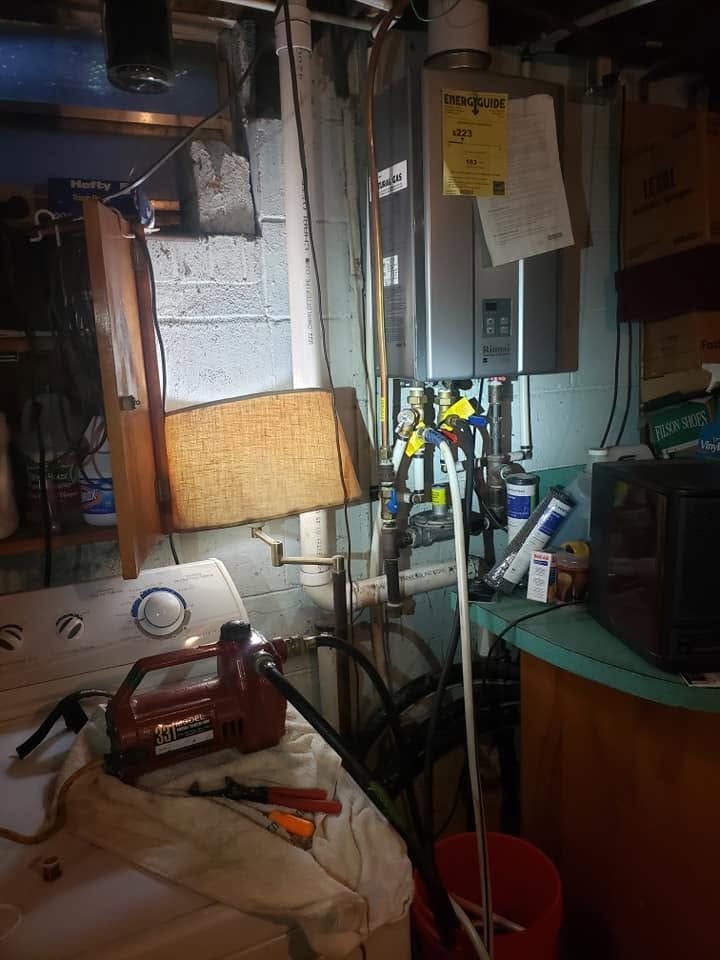
Traditional tank water heaters store heated water in a reservoir, providing a ready supply until the tank empties, then requiring recovery time to reheat a full tank. Tankless water heaters heat water only as it flows through the unit, delivering continuous hot water as long as demand stays within the unit's flow rate capacity, but requiring adequate gas supply or electrical capacity to heat water instantaneously. Sizing calculations determine whether a tankless unit can handle simultaneous showers and appliances or whether a tank system better matches your usage.
After water heater installation or repair, hot water reaches fixtures at consistent temperature, recovery time matches your household demand, and you no longer hear rumbling from sediment boiling at the tank bottom. Tankless systems eliminate standby heat loss but require annual descaling in areas with hard water to prevent mineral buildup from restricting flow. Traditional tanks need periodic flushing and anode rod replacement to extend tank life and maintain efficiency.
Temperature issues often trace to thermostat settings that are too low, causing lukewarm water, or too high, creating scalding risk and accelerating sediment formation. Proper installation includes setting temperature to 120 degrees Fahrenheit, checking pressure relief valve operation, and ensuring venting meets code for gas units.
Questions Before Starting Your Project
Water heater decisions involve understanding how each system type performs and what maintenance they require.
What are the main differences between tank and tankless water heaters?
Tank water heaters store 40 to 80 gallons of hot water ready for use but run out if demand exceeds capacity, while tankless units heat water on demand without storage limits but require sufficient fuel supply to heat water fast enough for simultaneous uses.
How do I know if my water heater needs repair or replacement?
Age over 10 to 12 years for tank units, visible rust or leaks at the tank base, or repeated element and thermostat failures indicate replacement, while single-component failures in newer units typically justify repair.
What maintenance do tankless water heaters require in Morganton?
Annual descaling removes mineral deposits that accumulate in the heat exchanger from hard water common in the region, preventing flow restriction and maintaining heating efficiency.
Why does my water heater make rumbling or popping sounds?
Sediment that settles at the tank bottom traps water beneath it, which boils and creates noise as it escapes—flushing the tank removes sediment and quiets operation while improving heating efficiency.
How long does water heater installation take?
Replacing a tank water heater with a similar model in the same location typically takes three to five hours, while tankless installation may require additional time for gas line sizing, venting modifications, or electrical upgrades to meet the unit's input requirements.
WNC Plumbing & Drain Cleaning installs, repairs, and maintains both traditional and tankless water heaters, matching the system type to your property's infrastructure and hot water needs. Call (828) 201-0096 to discuss your current water heater performance and receive guidance on which solution addresses your specific situation.